Jacksonville, FL
Why Jacksonville Homes Need Regular Washing
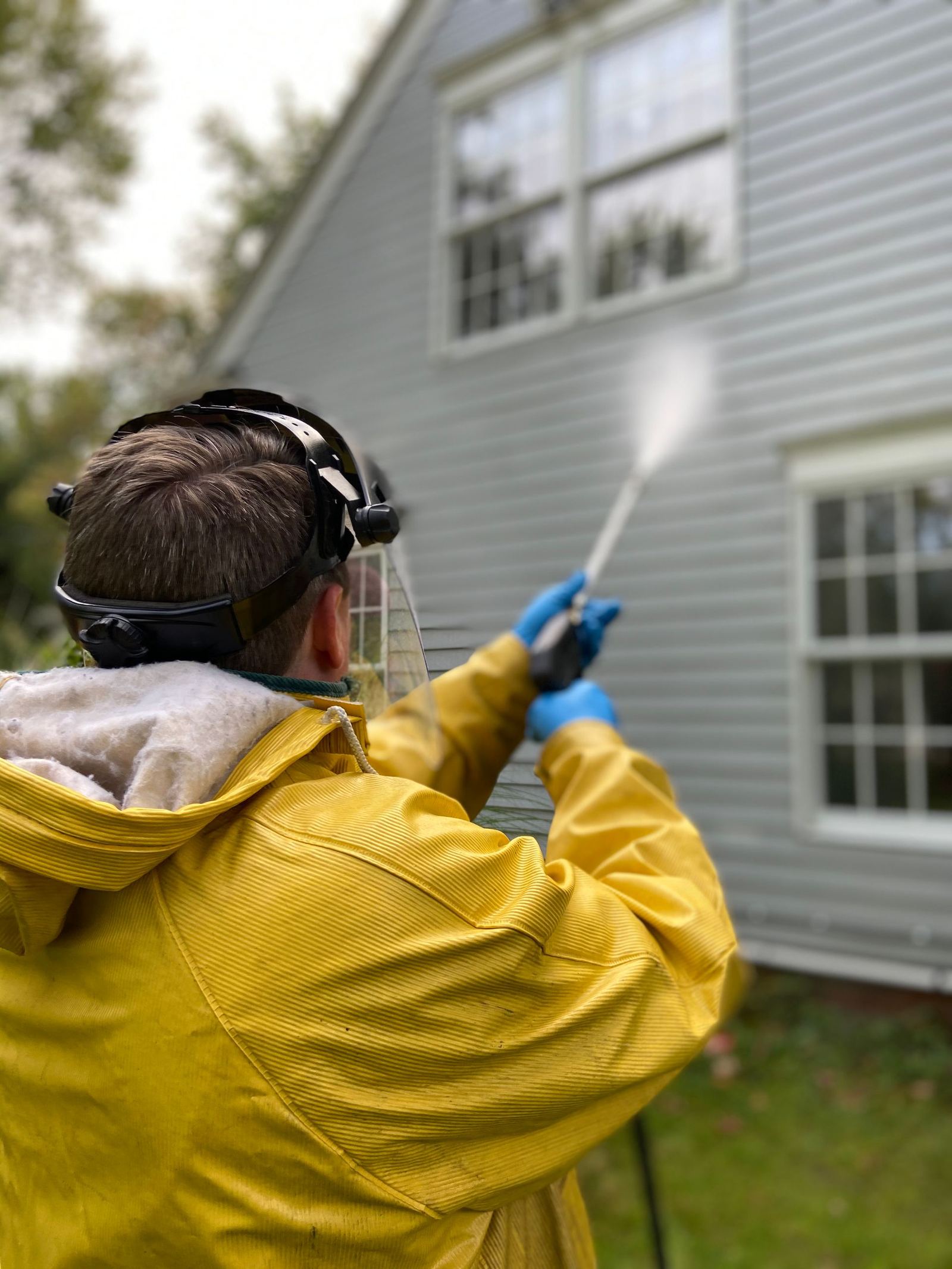
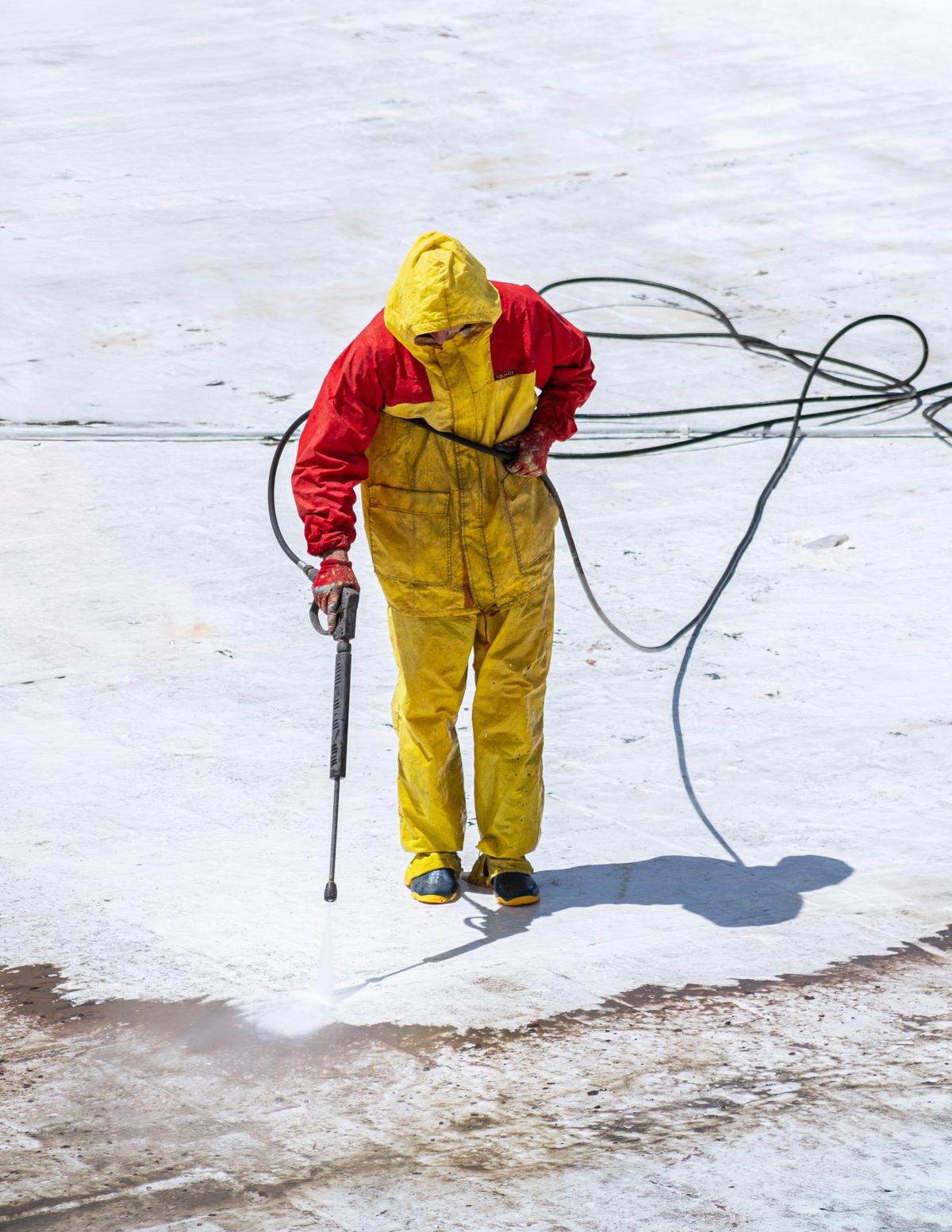
Pressure washing is not just about curb appeal in Northeast Florida — it is maintenance. Humidity stays high most of the year, and shade from live oaks and pines keeps surfaces damp long after the rain stops. That combination lets mold, mildew, and algae grow on nearly any exterior surface: vinyl siding turns green, stucco develops dark patches, concrete driveways grow a slick film, and pool decks can get slippery enough to be a real hazard around kids.
If you see black streaks running down your roof, that is a common roof algae, not dirt and not damage. It feeds on the limestone filler in asphalt shingles and spreads across the shaded side of the roof first. It will not wash off in the rain, and it only gets darker with time. Left alone for years it can shorten the life of the shingles, which is why roof cleaning here is preventive care, not vanity.
Then there is pollen season. Every March and April, live oaks across Jacksonville release a heavy blanket of yellow-green pollen that coats roofs, siding, driveways, and patio furniture. Power washing right after pollen season ends is one of the most common jobs we do — it resets the exterior before the summer storm season.
Speaking of storms: hurricane season runs June through November, and a clean exterior holds up better. Washing before the season removes loose grime and growth that driving rain would otherwise push into every crack; washing after a storm clears the debris lines, tannin stains from leaves, and the salt film that blows inland, especially in the beach towns.
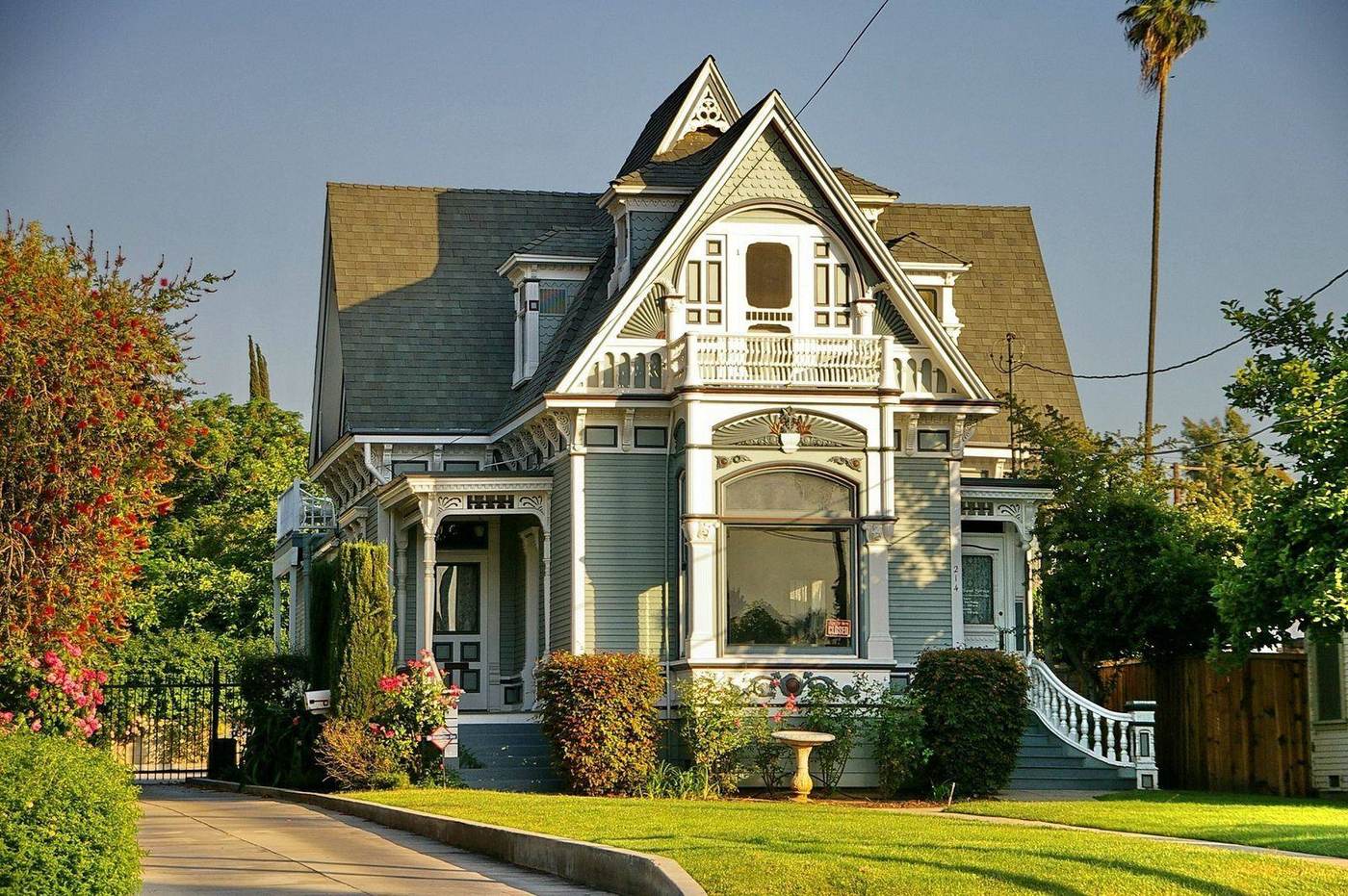
Many Jacksonville-area neighborhoods — Ponte Vedra, Nocatee, Fleming Island, Julington Creek, and plenty of others — have HOA exterior appearance standards. Faded, stained, or green-tinged siding and driveways can draw a violation letter. Regular washing keeps you on the right side of the rules and protects the value of the home.